Filed this cycle
Property Tax Protest Season: A No-Nonsense Walkthrough
The steps, the deadlines, the paperwork.
Words by Charles Baker
Straight Talk, Accountability & Independent Culture Correspondent · Gen X lens
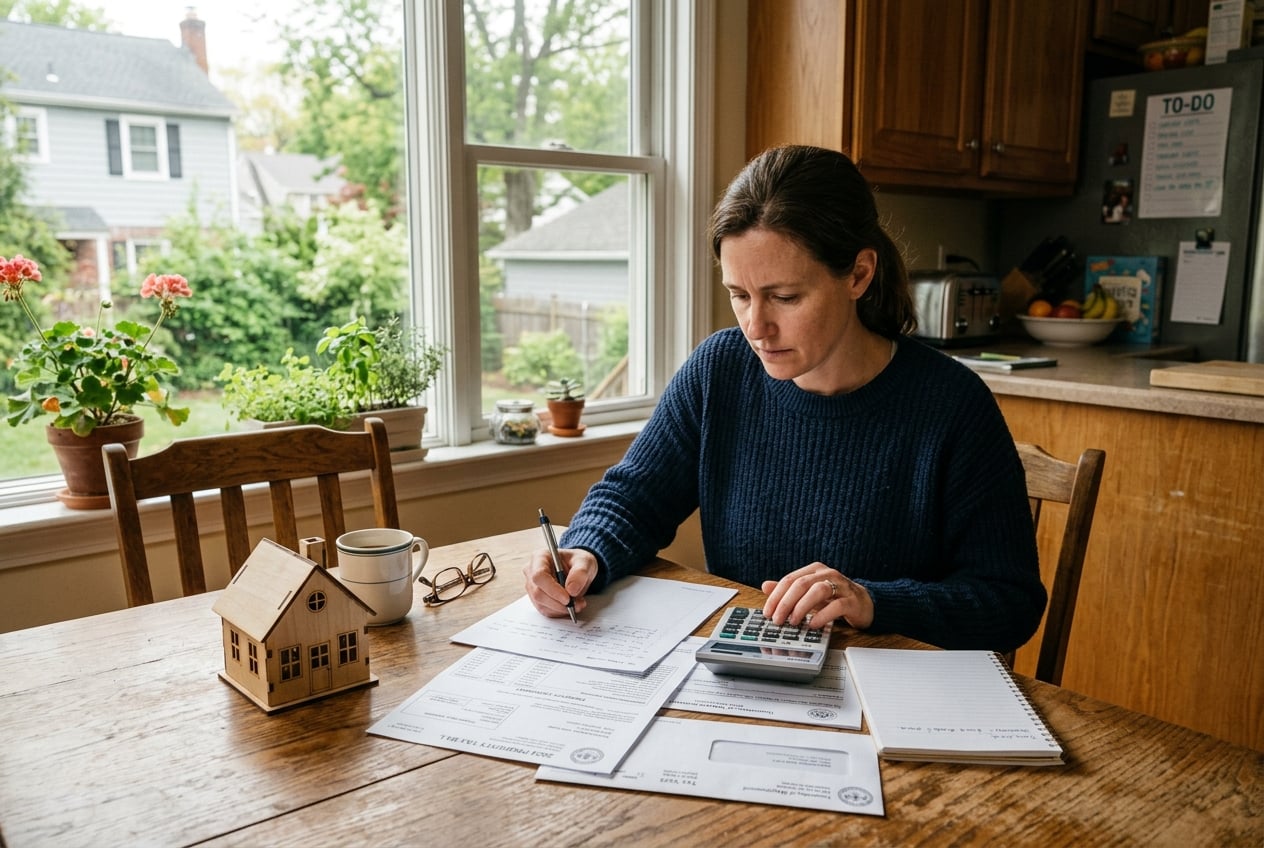
Photograph · Anna LIFE Photo Desk · composed by Sierra Grace
By the time the appraisal notice hits the mailbox, it is usually already hot outside. The paper matters anyway. In Texas, that notice is the starting gun.
For Anna homeowners, the first stop is the Collin Central Appraisal District, or the appraisal district that covers your property if you are outside Collin County limits. The district sets the appraised value used to calculate local property taxes. It does not set the tax rate. Different offices, different jobs. That distinction saves time when you are trying to figure out who can actually fix what.
Start with the notice itself. Check the property description, square footage, exemptions, and the appraised value for the current year. If the homestead exemption is missing, or the house is listed with features it does not have, that is not a philosophical disagreement. That is a records problem. Fix the records first.
Then pull your evidence together. Good evidence is boring. That is a compliment. Recent comparable sales, a closing statement if you bought recently, repair estimates, photos of cracked foundation, roof damage, drainage issues, worn flooring, or anything else that affects market value. If your lot backs to a noisy road, utility easement, or commercial use, show that too. Date the photos. Label the estimates. Put everything in one folder so you are not digging through your phone in the parking lot five minutes before a hearing.
The standard deadline to file a protest is usually May 15 or 30 days after the appraisal notice was delivered, whichever is later, but homeowners should confirm the exact deadline printed on their notice and with the appraisal district. [NEEDS: official protest deadline language and source for the relevant appraisal district(s) serving Anna] Miss that deadline and your options narrow fast.
Most districts allow online protests, and that is often the simplest route. [NEEDS: official filing options for Collin Central Appraisal District and any other appraisal district serving Anna properties] If you file, ask for an informal meeting first if one is offered. Some disputes get resolved there without a formal hearing. If not, the next stop is the Appraisal Review Board, the panel that hears protests.
At the hearing, keep it plain. You are not there to deliver a TED Talk on how expensive everything has gotten. You are there to show that the value on the notice is wrong or unequal compared with similar properties. Bring copies of your evidence, stay on point, and answer the question asked. If you make three strong points with documents behind them, that is better than making fifteen weak ones from memory.
A separate lane is the unequal appraisal argument. Texas property tax law allows owners to protest not only market value but also whether the property is appraised unequally compared with similar properties. [NEEDS: official Texas Comptroller or Tax Code citation on unequal appraisal protests] That means the case is not always “my house is worth less than they say.” Sometimes it is “my house is assessed higher than comparable houses nearby.” Different argument, same need for proof.
If the value is reduced, that lower number flows into the tax bills later, once local taxing units adopt their rates. If it is not reduced, there may be further appeal rights after the Appraisal Review Board decision. [NEEDS: official source on post-ARB appeal options and deadlines in Texas] Those rights come with rules, forms, and in some cases filing costs, so read the order carefully.
One more thing homeowners mix up every year: appraised value, assessed value, and tax bill are related, but they are not the same thing. Exemptions, caps, and local tax rates all affect what you actually owe. [NEEDS: official Texas Comptroller source explaining the distinction among appraised value, assessed value, and taxes owed] That is why two neighbors with similar houses can open very different bills.
The useful habit here is not outrage. It is paperwork. Open the notice. Calendar the deadline. Read the fine print. Save the photos. Keep the estimates. If the number is wrong, make the case with receipts.
About this byline. Charles Baker is a correspondent on the Anna LIFE Generational Press Desk, writing with a gen x lens perspective and published by TownSquare App Press with human editorial review. Stories are grounded in real Anna, Texas life; always confirm time-sensitive details (dates, rates, deadlines) with the relevant office before acting.