Filed this cycle
Kids Design Anna's Next Park - And Adults Listen
A curious co-creation, adult-facilitated.
Words by Jenny Taylor
Future Anna, Learning & Family Correspondent · Gen Alpha / future-family lens
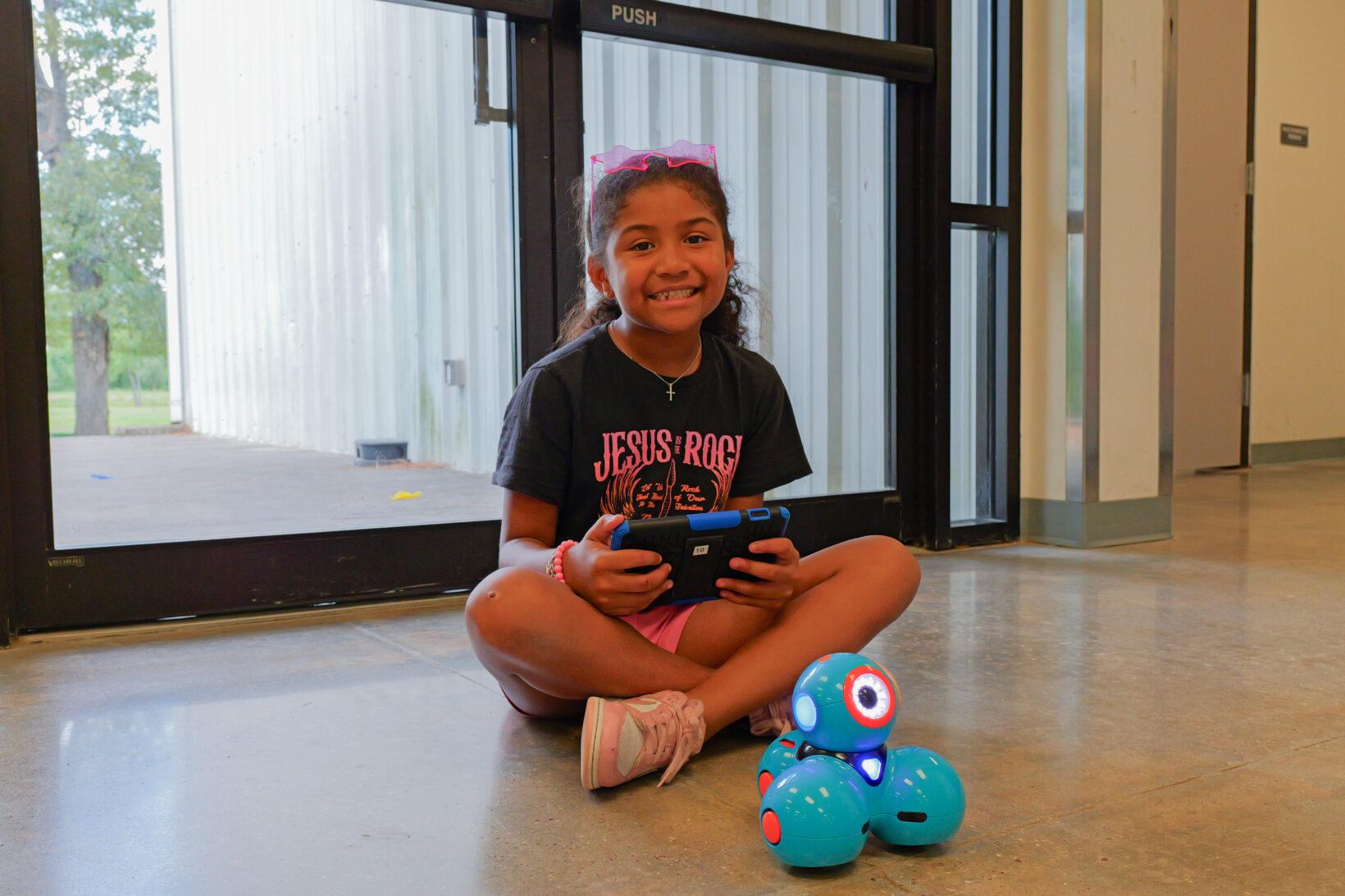
Photograph · Anna LIFE Photo Desk · composed by Sierra Grace
On a hot evening in Anna, the playground question is never abstract for long. It turns into mulch in shoes, a water bottle gone warm on a park bench, a scooter tipped over in the grass, a parent looking up from one child to count the others. Families know quickly what works and what does not. A slide can be too hot by noon. Shade can be the whole difference between staying and heading home.
So the most interesting part of a future park is not only where it will sit or what it will cost. It is who gets asked before the concrete cures.
When children help design a public space, they usually notice things adults forget to say out loud. They ask for places to climb higher, but also places to hide for a minute without leaving sight. They want paths that make loops for bikes and scooters. They want swings that feel fast, and ground that does not punish a fall. They ask for water, bathrooms, lights that make evening feel safe, and enough room for older kids and little ones to be near each other without colliding. Those are not small wishes. They are a working brief.
In Anna, where new rooftops keep appearing and family routines keep stretching across school pickups, practices, and weekend mornings, a park is part recreation and part town memory. The first visit matters. So does the hundredth. Children are often the best testers of whether a place can survive both.
Adult-facilitated does not mean adult-scripted. It means someone sets out the paper, asks the next question, and keeps the loudest voice from taking the whole table. It means translating a six-year-old's drawing of a "zip line to the moon" into a real conversation about motion, risk, visibility, and maintenance. It means hearing that a teenager asking for "somewhere to just be" may be talking about dignity as much as design.
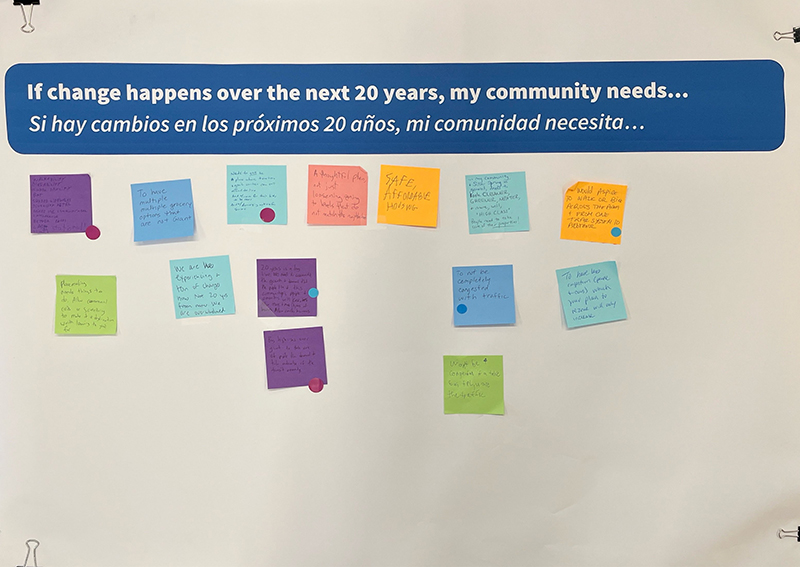
That kind of listening takes structure. It may look like sticky notes, model pieces, park maps, colored pencils, and a staff member or consultant saying, Show me where you would put the trees. It may look like asking families what time of day they actually come outside in August. It may look like noticing which children speak first and which need more room. [NEEDS: how Anna is gathering children's input for the park, including format and timeline]
The strongest kid-informed spaces usually do one simple thing well: they respect real use. Not the brochure version of use. Real use means caregivers with strollers. Siblings with different ages and speeds. Grandparents looking for a bench with a backrest and shade. Children who need sensory-friendly choices, clearer boundaries, or less noise. It means a park can be joyful without being chaotic. [NEEDS: specific planned features or design priorities for Anna's next park]
There is also a civic lesson here, and children notice it faster than adults think. If a child is invited to draw a park, then later sees even one piece of that idea built into the ground, they learn something sturdy about public life. Not that every wish comes true. Better than that. They learn that towns are made by people who show up, speak clearly, revise, and make room for each other.
That is a useful lesson in a fast-growing place. Growth can make families feel like decisions are happening somewhere else, behind a door they did not enter. A co-created park pushes against that feeling. It says the people who will use a place most should help describe it first.
The adults still have hard jobs. Budgets are real. Safety codes are real. Drainage, maintenance, heat, accessibility, and liability are all real. Good facilitation does not hide those limits from children. It turns limits into design prompts: If not that tower, then what climbing feature gives the same thrill? If not open water, then how do we build a cooling element that is safer to maintain? This is how imagination survives contact with reality.
By the time the fence comes down on a new park, most people will see the obvious things first: equipment, paths, shade, maybe a pavilion, maybe a court. The deeper design choice may be less visible. Did the town treat children as users to be managed, or neighbors with information?
You can feel the difference in a place almost immediately. Kids run toward the parts that make sense to them. Adults settle in where someone remembered their knees, their bags, the baby asleep in the stroller, the child who needs one more minute before joining the crowd. A park built from that kind of attention does not feel theoretical. It feels used before it even opens.
About this byline. Jenny Taylor is a correspondent on the Anna LIFE Generational Press Desk, writing with a gen alpha / future-family lens perspective and published by TownSquare App Press with human editorial review. Stories are grounded in real Anna, Texas life; always confirm time-sensitive details (dates, rates, deadlines) with the relevant office before acting.