Future Anna
Raising a Connected Kid in Anna
Screens, AI, and always-on connection are the water today’s children swim in. A calm, practical family guide to raising kids who use the tools without being used by them.
Words by Anna Co-op Team
Future Anna, Learning & Family · Gen Alpha / future-family lens

Photograph · Anna Co-op Magazine
The children growing up in Anna right now are the first generation who will never remember a world before smartphones, and among the first to grow up alongside everyday artificial intelligence. That is not a crisis and it is not a miracle. It is simply the water they swim in, and our job as the adults is neither to panic about it nor to shrug, but to raise kids who can use these powerful tools without being used by them. Here is how a family does that, calmly, without needing a computer-science degree.
Start by dropping the framing of technology as the enemy. A screen is a tool, and like every tool from a kitchen knife to a car, it is wonderful in the right hands at the right time and dangerous in the wrong ones. The goal is not zero screens — that ship has sailed and, honestly, would leave our kids unprepared for the world they will actually inhabit. The goal is a healthy relationship, modeled and coached, the same way we teach kids to handle money or friendships.
The boring habits that actually work
The strategies that hold up are unglamorous and consistent. Keep screens out of bedrooms at night, because sleep is the foundation everything else rests on and no notification is worth wrecking it. Create tech-free zones and times the whole family honors — the dinner table, the car, the first hour of the morning — and, crucially, follow them yourself, because kids absorb what we do far more than what we say. Put the devices to bed in a common charging spot, parents included. Nothing undermines a screen rule faster than a parent scrolling through it.
Talk about what they see rather than just restricting it. Ask what videos they liked and why. Watch a bit with them. When something troubling comes up — and it will — treat it as a conversation, not a punishment, so that you remain the person they come to when something online scares or confuses them. A kid who fears losing the device will hide problems; a kid who trusts the conversation will bring them to you. That trust is the single most protective thing in your whole toolkit.
Teach them to think, not just to click
Now the newest frontier: AI literacy, which is quickly becoming as basic as reading. Children are already encountering AI in their apps, their schoolwork, and their search results, and they will use it their whole lives. The skill to teach is not how to operate it — they will figure that out faster than we will — but how to think about it. That the confident answer on the screen can be wrong, and needs checking. That a real photo and a generated one are getting harder to tell apart. That these tools are built by companies with goals, and it is worth asking what those goals are. A child who learns to ask “how do I know this is true?” has the one skill that outlasts every specific app.
Safety has a practical layer worth handling plainly. Use the parental controls that come free on the devices and platforms. Teach the timeless rules in kid terms: private information stays private, strangers online are still strangers, and anything that makes you feel uncomfortable is something to tell a trusted adult about immediately, with no fear of getting in trouble. Keep these conversations age-appropriate and ongoing rather than one terrifying lecture. The talk that works is the tenth casual one, not the first scary one.
And balance the digital with the tangible, because a connected kid still needs to be a kid. The antidote to too much screen is rarely a stricter rule; it is a better offer — a park, a project, a family adventure, the Anna outdoors we are lucky to have more of every year. When real life is rich, the screen shrinks to its proper size on its own.
We cannot hand our children a world without screens or AI, and we would not be doing them any favors if we could. What we can hand them is judgment: the habits, the conversations, and the modeling that turn a kid who merely consumes technology into one who commands it. Raise them to think, to question, and to look up from the screen at the actual town growing up around them. That is how you raise a connected kid who is, first and always, a whole one.
About this byline. This story is published by the Anna Co-op Team on the Anna Co-op Magazine Generational Press Desk, written through a gen alpha / future-family lensand reviewed by TownSquare App Press with human editorial oversight. Stories are grounded in real Anna, Texas life; always confirm time-sensitive details (dates, rates, deadlines) with the relevant office before acting.
More from Anna Co-op Team
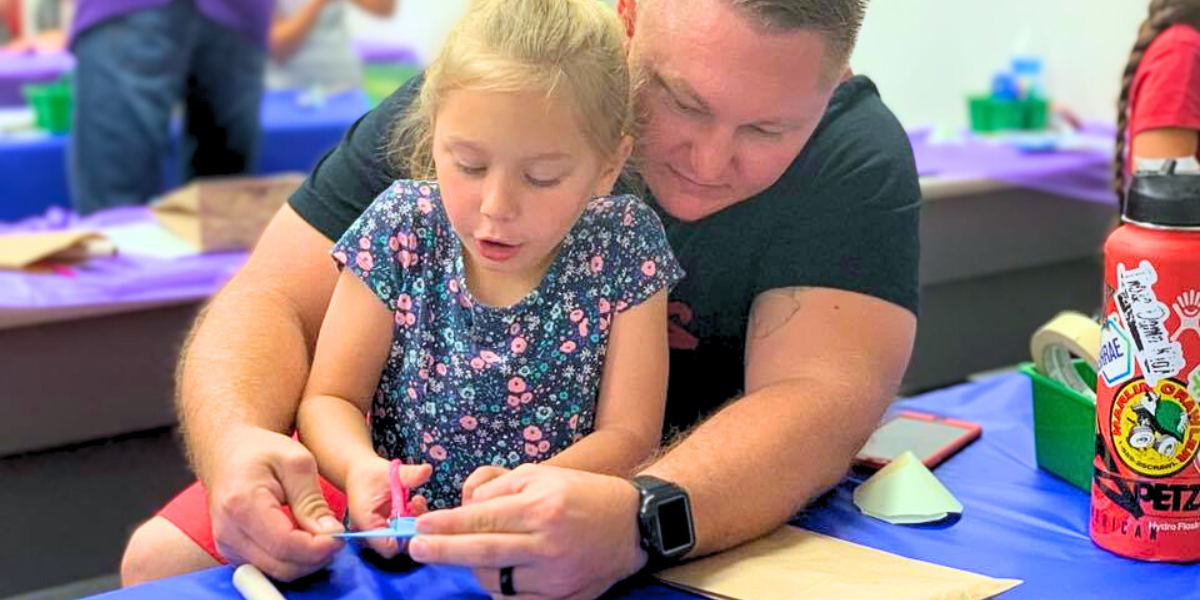
Anna 2040: The Town Today’s Kids Will Inherit
The children starting kindergarten this year will graduate into the Anna we are building right now. A hopeful, clear-eyed look at the decisions that will define their hometown.
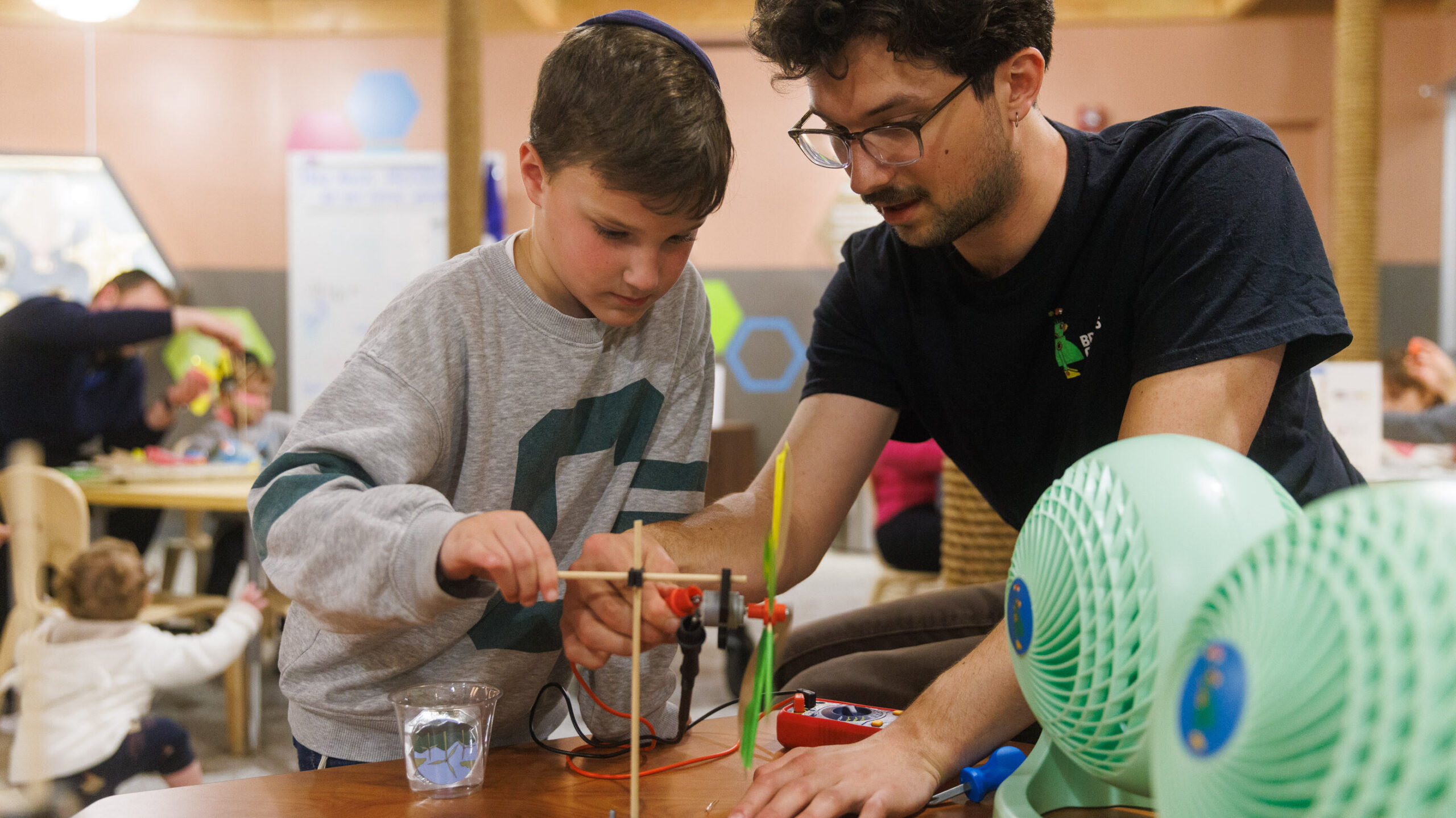
Where Anna Kids Can Learn, Play, and Make Things
A season’s worth of enriching, mostly-free ways to fill a child’s hours in Anna — from library STEM to park programs to the backyard science that costs nothing.